
You’ve always seen the option when you go to the gas station, but have never really paid much attention to it: diesel fuel. What makes it different from gasoline and why does it matter? Here’s everything you need to know about diesel fuel systems and their role in American society.
How it Differs
Both gasoline and diesel fuel systems are internal combustion engines, compressing fuel and then igniting it to convert chemical energy to mechanical energy. However, their methods of combustion are not the same: diesel engines compress air and then introduce the fuel (air heats up when it is compressed so contact with diesel fuel creates ignition), whereas gasoline engines mix gas and air from the get-go and compress them, then spark plugs create sparks that ignite the mixture.
Diesel fuel is heavier and more oily than gasoline, so it evaporates more slowly. Additionally, it is remarkably more efficient due to its combustion method: many diesel engines get around 45 miles to the gallon on the highway, which explains why most commercial trucks and freights employ the use of diesel fuel systems. As a result, a good chunk of American commerce relies on big rigs that run on diesel.
Understanding the Components
A diesel engine is made up of five essential parts: the tank, the diesel fuel pump, diesel fuel filters, the injection pump, and injection nozzles. The fuel reservoirs are specifically designed from aluminum alloys or sheet metals to withstand the corrosive effects of diesel fuel.
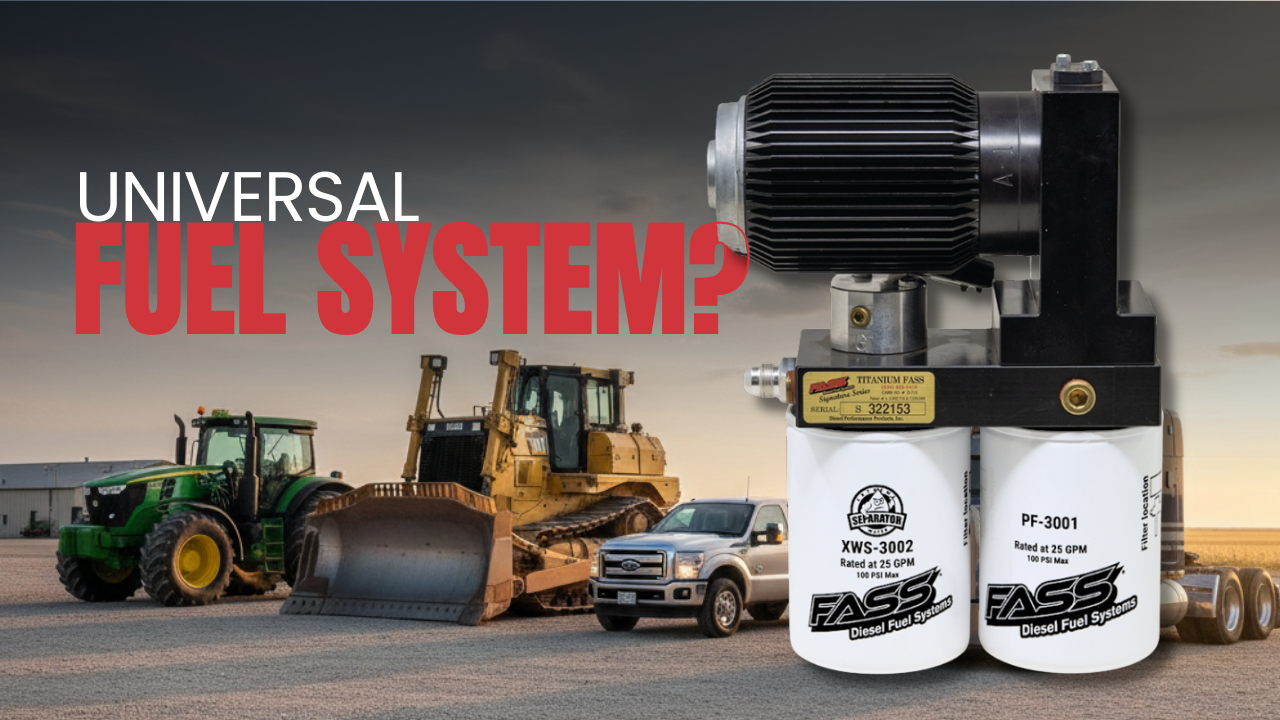
The fuel lift pump pulls diesel out of the reservoir and moves it into the injection pump, where it is pushed through the diesel filtration system to remove any contaminants that may have been picked up during its long journey from the refinery to the gas station — this is vital because dirt and debris could severely damage the injection system and, subsequently, the entire engine.
The injection pump then compresses the fuel in preparation for injection. Injection nozzles spray the compressed diesel into the combustion chambers, which fire (literally through miniature explosions) and turn the fuel into mechanical energy.
Understanding how your engine functions is a key part of responsible car ownership, even if you’re simply driving it as a result of your job.