Shopping for a used 6.7L Cummins Ram? Good choice. The 6.7 Cummins has earned its reputation as one of the most capable and durable diesel engines on the road—but like any used diesel, the truck you’re looking at can be either a dream buy or a money pit depending on how it was treated.
Here’s what to look for (and what to be cautious of) before you hand over your cash.

1. Maintenance History Matters More Than Mileage
First things first: don’t panic over mileage. A well-maintained 6.7 Cummins with 200k+ miles can be a far better buy than a neglected truck with 90k.
What you do want to see:
- Regular oil changes
- Fuel filter service intervals being followed
- Transmission services (especially on 68RFE trucks)
- Cooling system maintenance
Service records are gold. If the seller can’t provide any history, ask detailed questions. How the owner talks about maintenance often tells you more than the odometer.
2. Pay Attention to the Fuel System
The fuel system is one of the most important—and expensive—areas on a 6.7 Cummins.
Things to ask or check:
- Has the truck ever had injector issues?
- Has the high-pressure fuel pump been replaced?
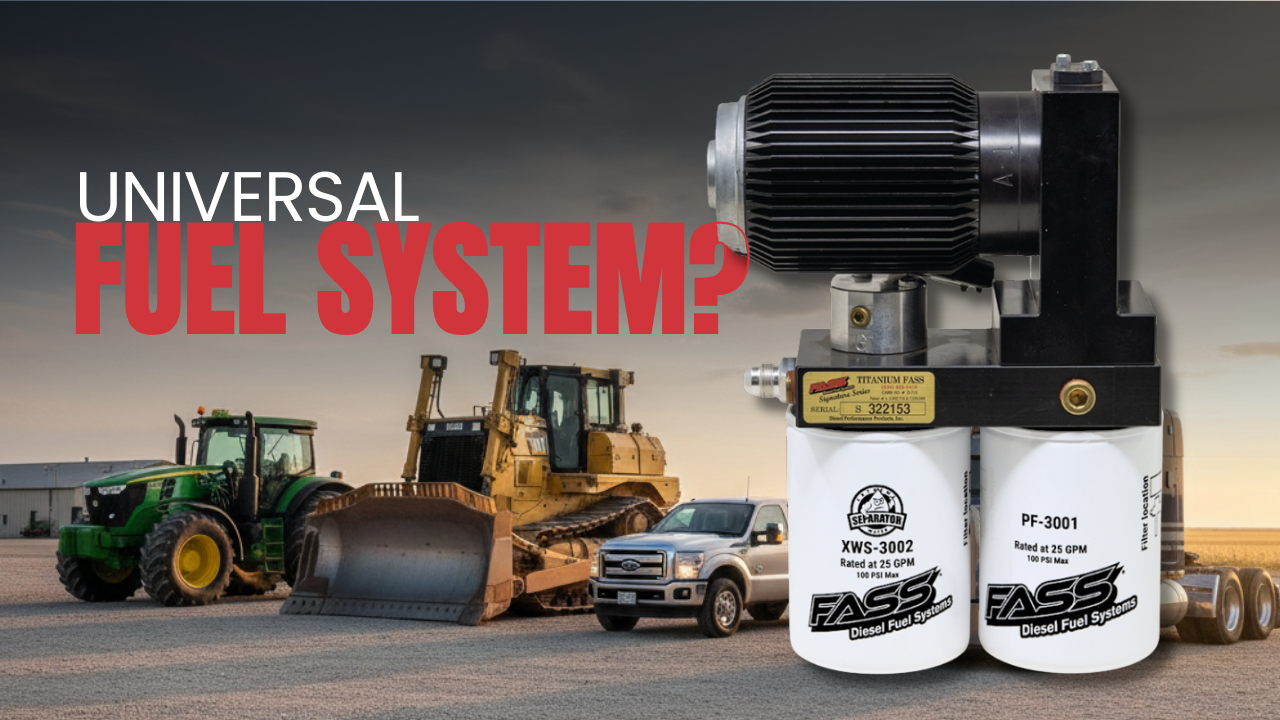
- Is there an aftermarket fuel filtration or lift pump system installed?
Trucks equipped with
upgraded fuel filtration or lift pumps are often a good sign. It usually means the owner cared about fuel quality and injector life. On the flip side, bone-stock fuel systems on higher-mileage trucks aren’t a deal breaker—but they’re something to budget for later.
3. Watch for Signs of Hard Use (or Abuse)
Many 6.7 Cummins trucks live hard lives towing, hauling, or being tuned aggressively—and that’s not always a bad thing if they were maintained properly. Still, keep an eye out for red flags:
- Excessive smoke under light throttle
- Rough idle or knocking sounds
- Harsh or delayed transmission shifts
- Aftermarket tuning with no supporting upgrades
If a truck has been tuned, ask:
- What tuning was used?
- Was it run daily or occasionally?
- Were supporting mods added?
A responsibly modified truck can be a great buy—but poorly tuned trucks can hide expensive problems.
4. Check the Emissions System (or What’s Left of It)
Depending on where you live and the truck’s history, emissions equipment can be a big factor.
Look for:
- Warning lights or limp-mode history
- Signs of frequent regen issues
- DEF system problems on newer trucks
Even if emissions equipment is intact and functioning, ask how often the truck regens and whether the owner ever had to address DPF or EGR issues. These systems can be costly if neglected.
5. Transmission Health Is Huge
A strong Cummins is only as good as the transmission behind it.
- 68RFE: Ask about fluid changes, upgrades, or rebuilds
- Aisin: Generally stout, but still check service history
On a test drive, pay attention to:
- Slipping or flare shifts
- Harsh downshifts
- Shudder under load
Transmission repairs add up fast—this is one area you don’t want surprises.
6. Stock vs. Modified: Neither Is Automatically Better
Some buyers only want stock trucks. Others want modified ones. The truth? Condition matters more than configuration.
Stock trucks:
- Usually easier to inspect
- Fewer unknowns
- Often great long-term platforms
Modified trucks:
- Can save you money on parts you’d add anyway
- May already have upgraded suspension, fueling, or driveline
- Require more careful inspection
Neither is “right” or “wrong”—just know what you’re buying.
7. Think Long-Term, Not Just the Test Drive
Ask yourself:
- Am I buying this to keep for years or flip later?
- Will I tow, daily drive, or build it?
- Do I want reliability or performance first?
A used 6.7 Cummins can last a very long time—but only if you start with a solid foundation and plan ahead.
Final Thoughts
Buying a used 6.7 Cummins doesn’t have to be intimidating. Focus on
maintenance history, fuel system health, transmission behavior, and signs of responsible ownership. Take your time, ask questions, and don’t be afraid to walk away if something feels off.
A good 6.7 Cummins will reward you with years of torque, reliability, and smiles per gallon—and when you find the right one, you’ll know it.