PACCAR ENGINES
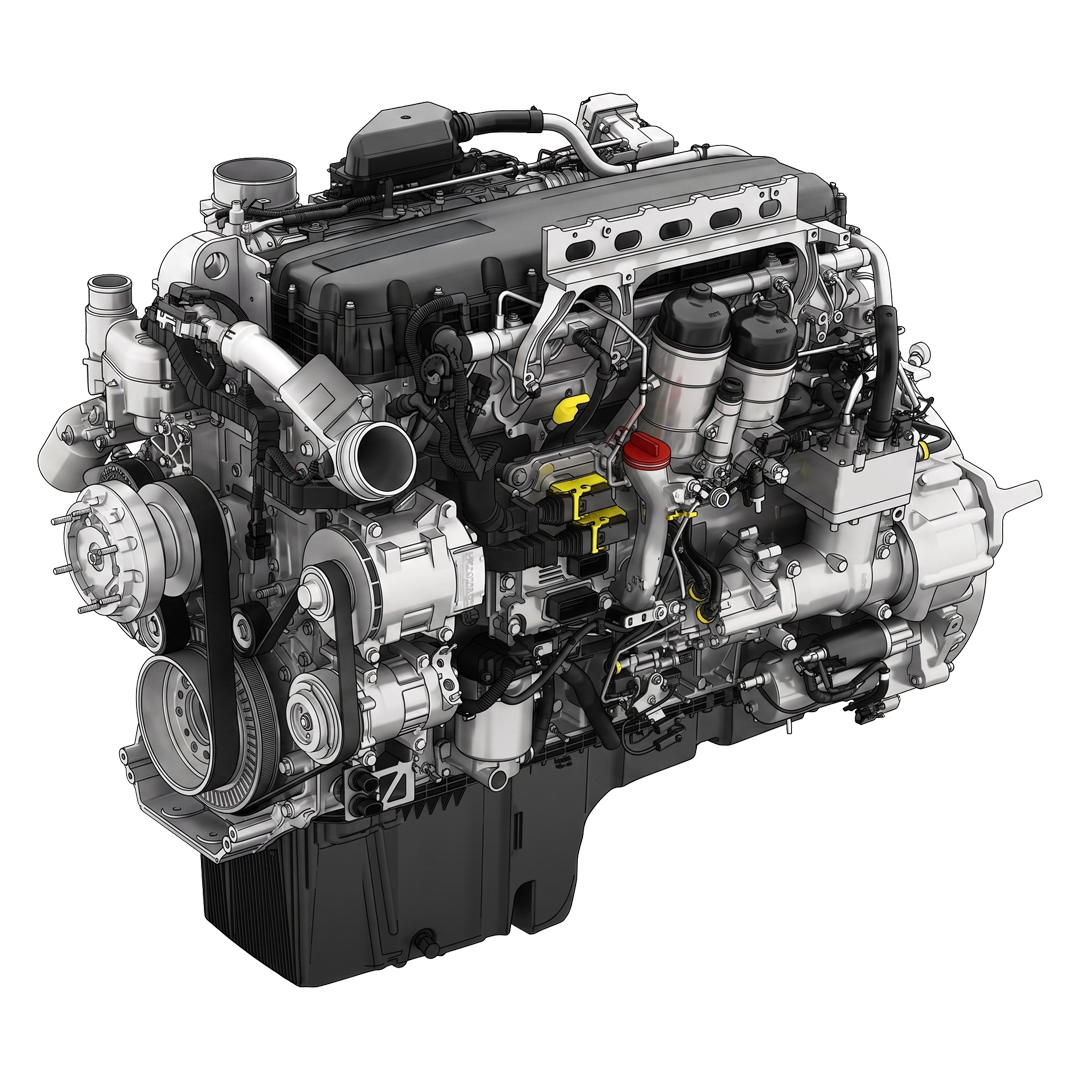
MX-13
The PACCAR MX-13 is a heavy-duty inline-6 diesel engine used mainly in Kenworth and Peterbilt Class 8 highway tractors, regional-haul trucks, vocational trucks, dump trucks, mixers, and heavy-duty fleet applications.
- The MX-13 is commonly found in long-haul, regional, bulk-haul, construction, refuse, and vocational applications where operators want strong torque, good fuel economy, lower engine weight, and an integrated PACCAR powertrain package.
- Engine Displacement
- MX-13 → 12.9 L
- A FASS System can:
- Help MX-13 because its high-pressure fuel system and emissions-era operating strategy depend on clean, air-free, restriction-free fuel, while many fleet and vocational trucks deal with water contamination, tank debris, suction-side leaks, fuel aeration, filter restriction, and high-load fuel demand that can contribute to hard starts, rail-pressure issues, injector wear, derates, rough idle, and low power under load.
- Have huge Improvement in Injector life using FASS which greatly reduces the need to use OEM mandated fuel additive on EPA2021 engines.
- Makes secondary filter post maintenance priming unnecessary.
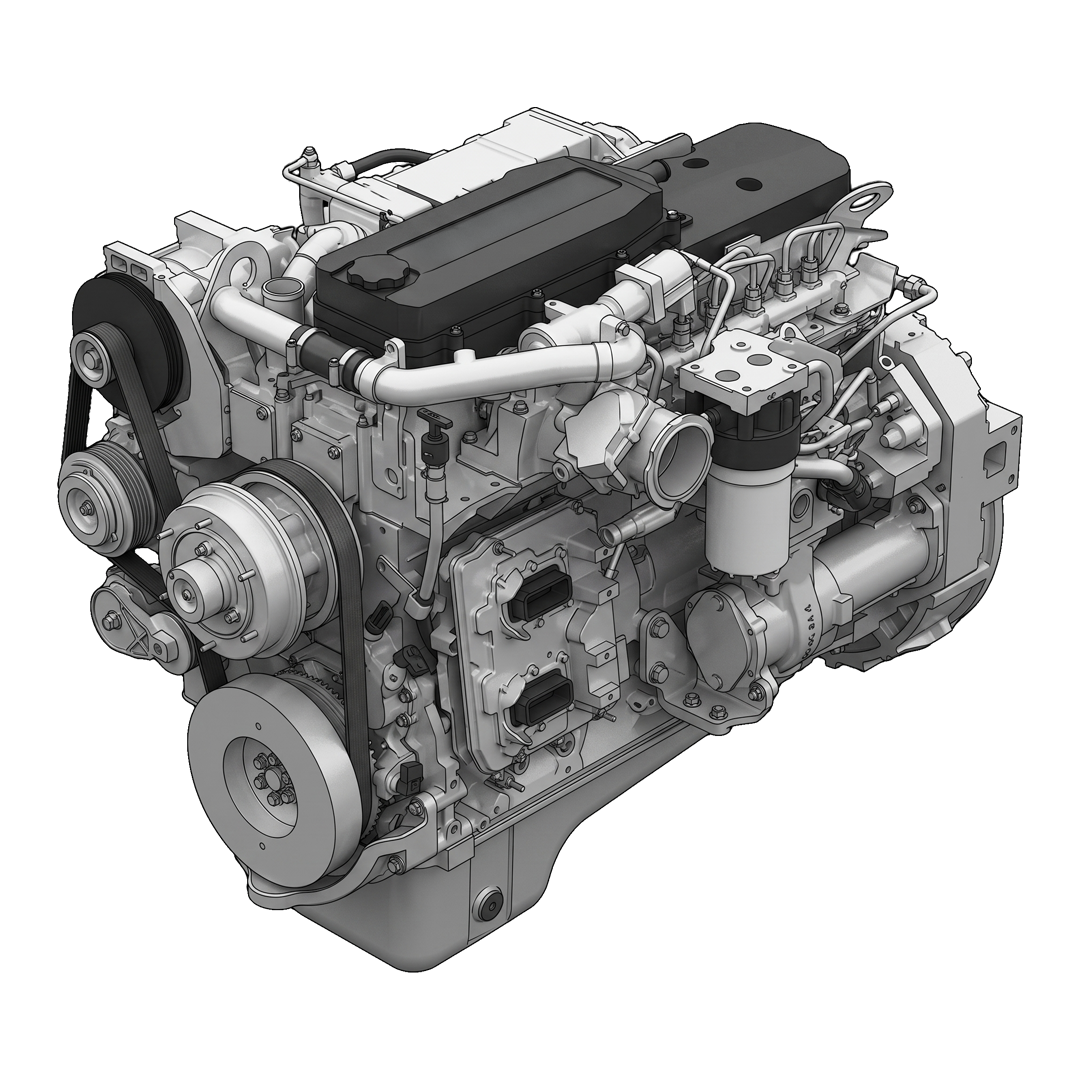
PX-7
The PACCAR PX-7 is a medium-duty inline-6 diesel engine used mainly in Kenworth and Peterbilt trucks for delivery, utility, municipal, towing, beverage, dump, and lighter vocational applications.
- It is commonly found in stop-and-go fleet trucks, box trucks, service bodies, tow trucks, small dump trucks, and municipal units where idle time, short trips, frequent starts, and varied fueling conditions are common.
- Engine Displacement
- PX-7 → 6.7 L
- A FASS System can:
- Help PX-7 because its common-rail fuel system and emissions-era calibration depend on clean, air-free fuel, while medium-duty trucks often deal with tank debris, water contamination, fuel aeration, filter restriction, and high-idle stop-and-go operation that can contribute to hard starts, rail-pressure faults, injector wear, derates, rough idle, and low power during loaded urban or vocational use.
- Makes secondary filter post maintenance priming unnecessary.
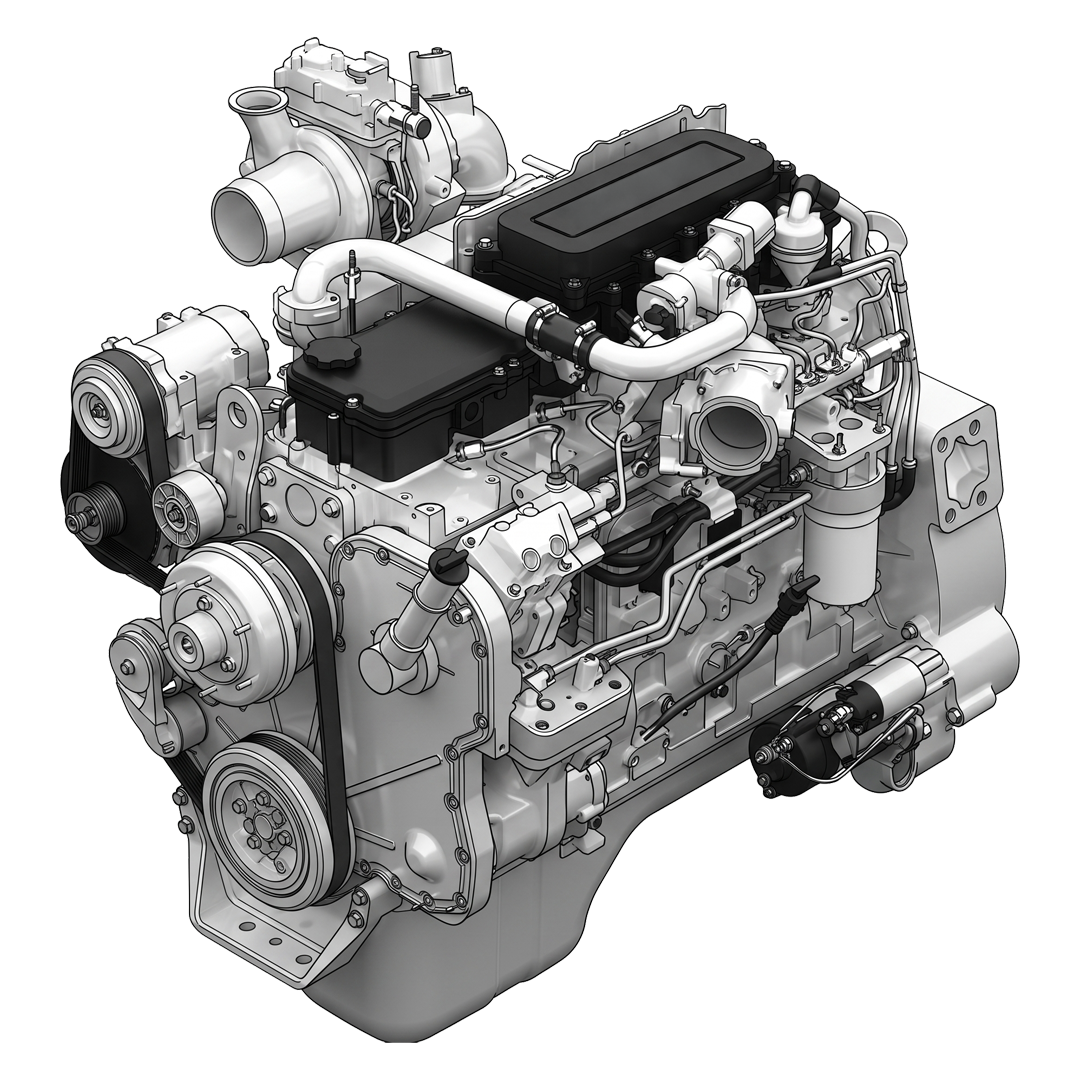
PX-9
The PACCAR PX-9 is a medium-duty inline-6 diesel engine used mainly in Kenworth and Peterbilt trucks for vocational, municipal, utility, refuse, dump, mixer, delivery, and regional applications.
- It is commonly found in trucks that see stop-and-go operation, PTO time, high idle hours, short routes, jobsite use, and repeated loaded starts where fuel quality and consistent supply become important for drivability and uptime.
- Engine Displacement
- PX-9 → 8.9 L
- A FASS System can:
- Help PX-9 because its common-rail fuel system and emissions-era calibration depend on stable, clean, air-free fuel, while vocational PX-9 trucks often face water contamination, tank debris, fuel aeration, filter restriction, and high-idle duty cycles that can contribute to hard starts, rail-pressure faults, injector wear, derates, rough idle, and power loss under load.
- Makes secondary filter post maintenance priming unnecessary.
PACCAR ENGINES
PACCAR diesel engines are used mainly in Kenworth and Peterbilt trucks, covering medium-duty delivery and utility work through heavy-duty highway, regional, vocational, dump, mixer, refuse, and fleet applications.
- The main PACCAR diesel lineup includes the PX-7, PX-9, and MX-13, with the PX engines serving medium-duty and lighter vocational markets and the MX engines serving heavier regional, vocational, and Class 8 applications.
- PACCAR engines are generally known for integrated Kenworth/Peterbilt powertrain packaging, fuel efficiency, lower operating cost, electronic controls, modern emissions systems, and application-specific ratings.
- A
FASS System makes a strong case across PACCAR diesel applications because PX and MX engines often run in fleet, vocational, stop-and-go, idle-heavy, and high-load duty cycles where water contamination, tank debris, suction-side leaks, aerated fuel, and filter restriction can contribute to hard starts, injector wear, rail-pressure issues, derates, rough idle, low power, and expensive high-pressure fuel-system repairs.