VOLVO ENGINES
VED
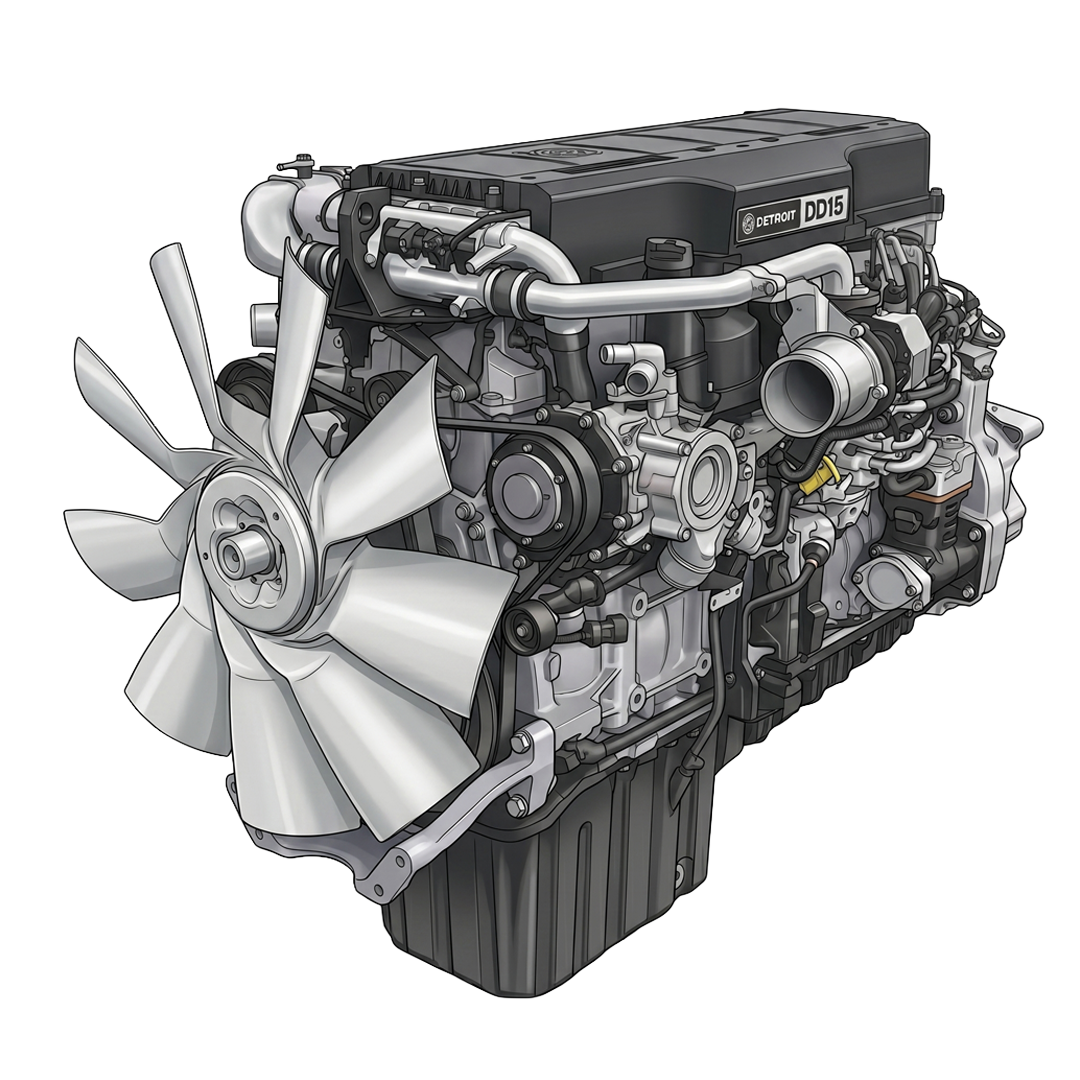
The Volvo VED engines are Volvo heavy-duty diesel engines used mainly in Volvo trucks, especially regional-haul, vocational, refuse, construction, and highway applications.
- The VED family commonly includes engines such as the VED12 and VED13, which are inline-6, turbocharged, electronically controlled diesel engines, with later versions using emissions systems such as EGR, DPF, DEF, and SCR depending on year and application.
- These engines are often found in Volvo VNL, VNM, VHD, and vocational chassis where operators need strong torque, good drivability, and an integrated Volvo powertrain package for fleet or work-truck duty.
- A FASS System can:
- Help Volvo VED engines because their electronically controlled fuel systems and emissions-era calibrations depend on clean, stable fuel delivery, while older Volvo trucks often deal with tank debris, water contamination, fuel aeration, suction-side leaks, and filter restriction that can contribute to hard starts, injector wear, rough idle, derates, low power under load, and fuel-related drivability complaints.
- Makes secondary filter post maintenance priming unnecessary.
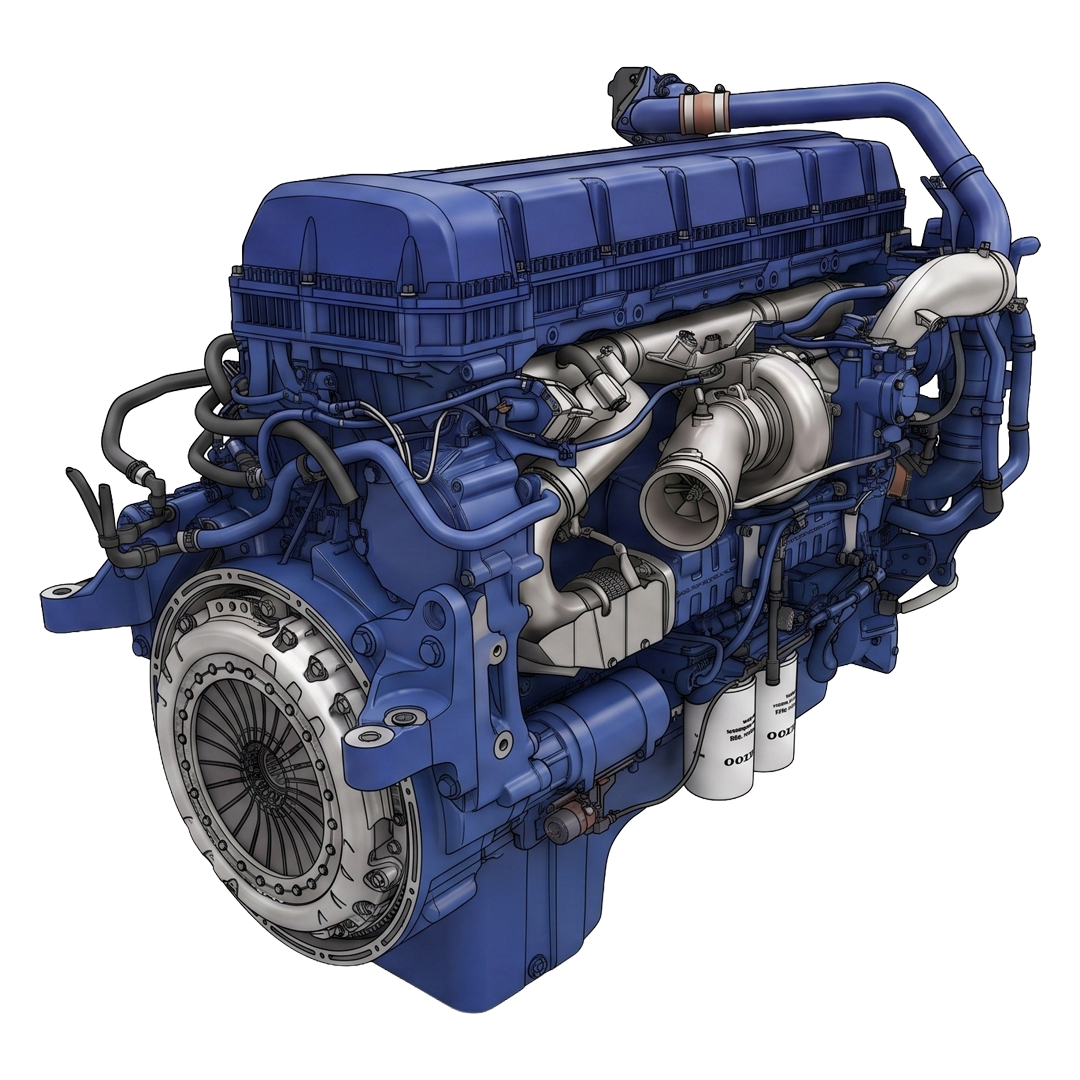
VOLVO ENGINES
Volvo diesel engines are used mainly in Volvo trucks, buses, construction equipment, marine applications, industrial power units, and generator applications, with the North American truck market most commonly seeing engines such as the VED12, VED13, D11, D12, D13, and D16.
- Volvo diesel platforms are generally inline-6, turbocharged, electronically controlled engines, with later versions using advanced fuel injection, variable geometry turbocharging, EGR, DPF, DEF/SCR aftertreatment, and integrated Volvo powertrain electronics depending on model year and application.
- They are commonly found in Volvo VNL, VNM, VNR, VHD, heavy-haul, regional-haul, refuse, dump, mixer, construction, bus, and vocational applications, where operators value smooth operation, strong torque, fuel economy, and powertrain integration.
- A FASS System makes a strong case across Volvo diesel applications because many Volvo trucks use electronically managed fuel systems that depend on clean, stable fuel supply, while fleet, vocational, and regional trucks often deal with water contamination, tank debris, suction-side leaks, fuel aeration, filter restriction, idle time, and high-mileage fuel-system wear that can contribute to hard starts, injector wear, derates, rough idle, low power, and fuel-related drivability issues.