MERCEDES ENGINES
MBE-4000
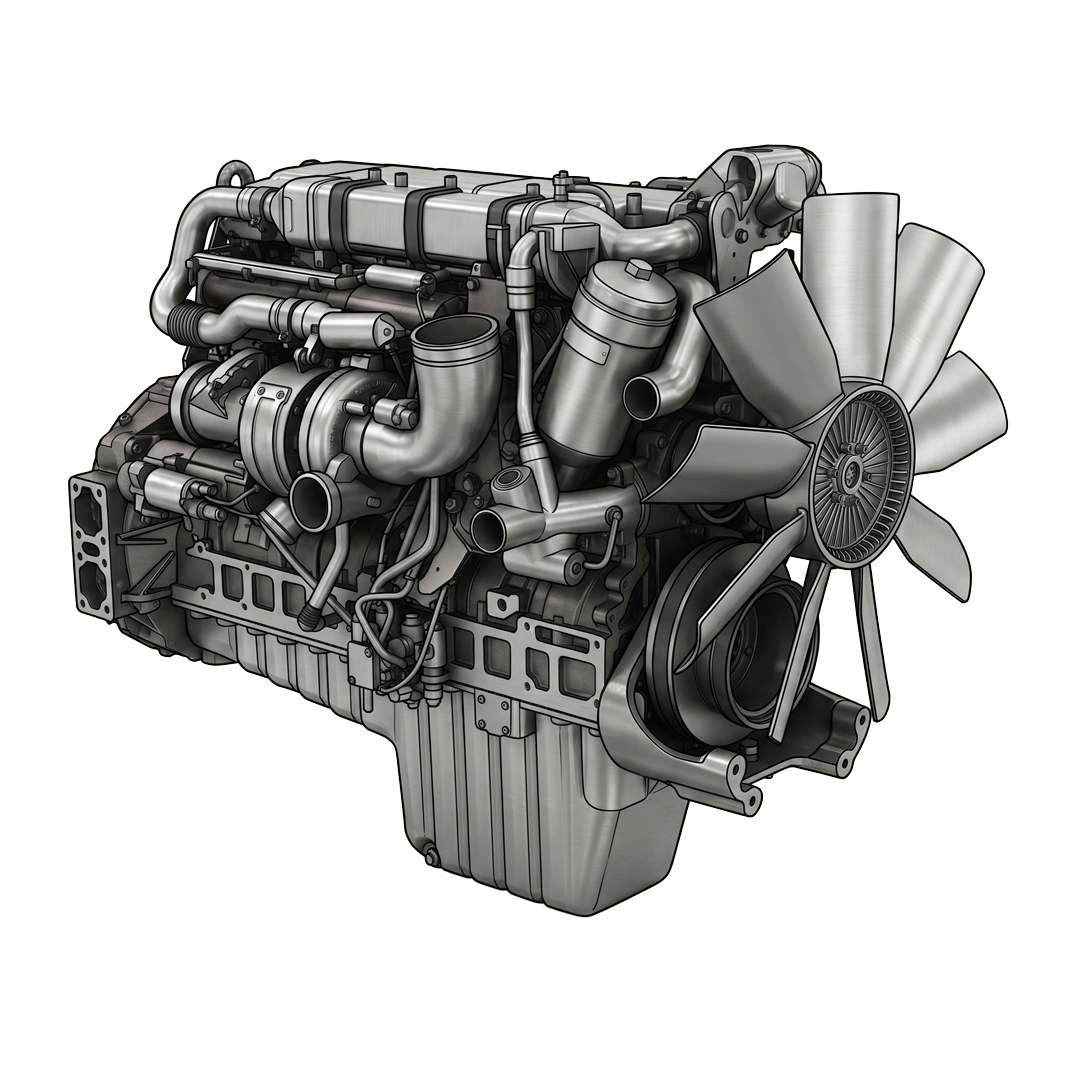
The Mercedes-Benz MBE-4000 is a heavy-duty inline-6 diesel engine used in Freightliner, Sterling, Western Star, and other Daimler-related truck applications for highway, regional, and vocational work.
- The MBE-4000 is a 12.8L electronically controlled, turbocharged diesel engine based on a Mercedes-Benz heavy-duty platform, with ratings commonly used as a lighter-weight alternative to larger 14L–15L engines before Detroit’s DD Series became the main heavy-duty platform.
- Engine Displacement
- MBE-4000 → 12.8 L
- A FASS System can:
- Help MBE-4000 because its electronically managed injection system depends on clean, steady fuel supply, and many MBE-4000 trucks are now old enough to deal with tank debris, water contamination, suction-side leaks, aerated fuel, and filter restriction that can lead to hard starts, rough idle, injector wear, low power under load, and fuel-related drivability complaints.
- Makes secondary filter post maintenance priming unnecessary.
MERCEDES-BENZ ENGINES
Mercedes-Benz diesel engines have been used across passenger cars, Sprinter vans, medium-duty trucks, heavy-duty trucks, buses, coaches, Unimog equipment, industrial engines, marine applications, and generator power units.
- In the North American heavy-duty market, the most relevant Mercedes-related truck engines are usually the MBE-900 and MBE-4000, which were used in Freightliner, Sterling, Western Star, bus, and vocational applications before Detroit’s DD Series became the main Daimler heavy-duty engine family.
- Mercedes-Benz diesels are generally known for strong engineering, efficient combustion, electronic fuel management, compact packaging, and good drivability, but exact service needs vary heavily between older mechanical engines, electronic unit-injection engines, and later high-pressure common-rail emissions platforms.
- A
FASS System makes a strong case on Mercedes-Benz diesel applications because many of these engines operate in fleet, delivery, bus, vocational, RV, and regional-haul duty where long idle time, stop-and-go use, older tanks, water contamination, suction-side leaks, filter restriction, and fuel aeration can contribute to hard starts, injector wear, rough idle, derates, low power, and inconsistent fuel delivery.